11+ How To Draw Light Sources Ideas
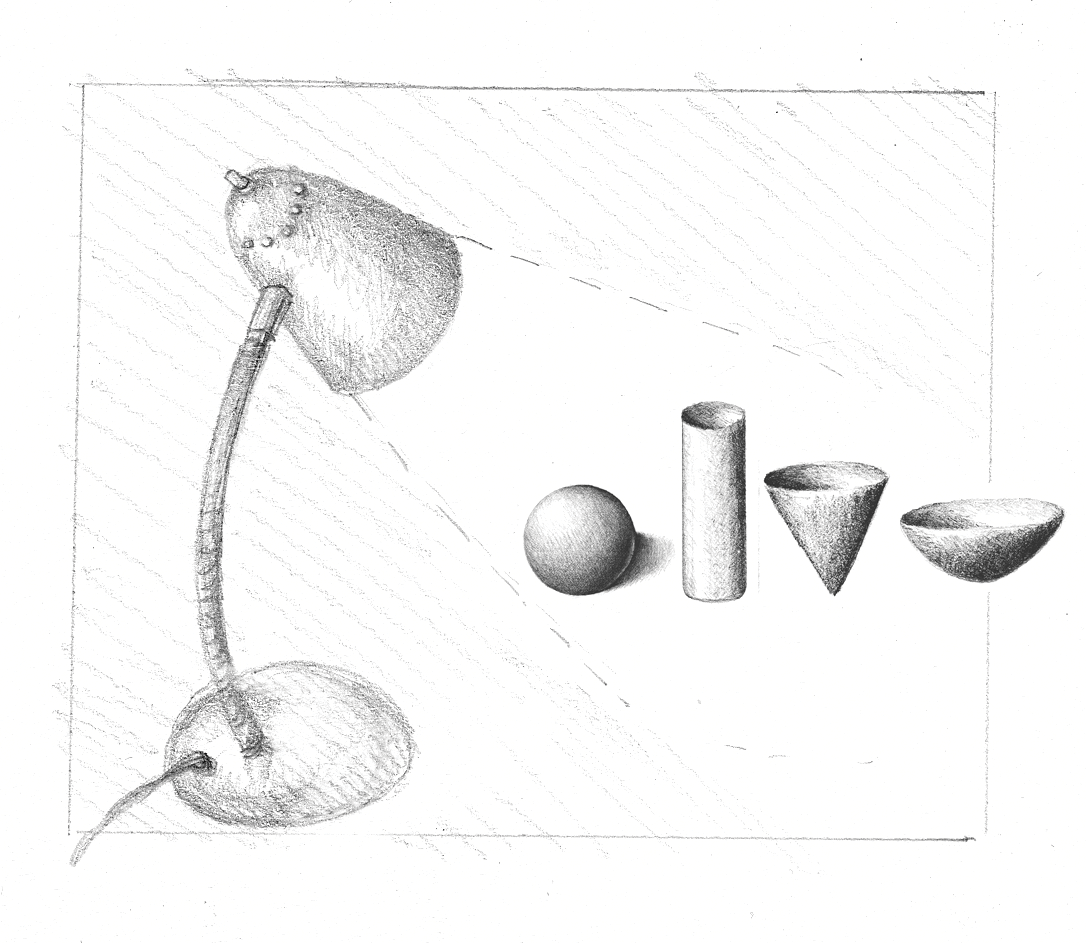
How To Draw Light Sources. The position of shadows is determined by the light source. Using your light source, draw shapes in front of the camera to test it.
Drawing is a technique that allows artists to demonstrate their imagination and creative abilities through the use of a pencil, pen or some other drawing medium. While there are many approaches and techniques used in the art of drawing, these techniques are based on a certain set of fundamental concepts. Some of these essential concepts include media, value, reference and the usage of drawing tools that are basic. These are the essential concepts to understand if you are unfamiliar with the art drawing. They are also valuable for the experienced artist.
Basic definitionsDrawing is a method of expression in which marks on surfaces form images. Drawing is the fundamental skill in all the visual art. Various tools are used in drawing, like pencils, brushes, crayons, and even chisels.
Many artists are famous for their ability to make drawings that illustrate literary texts or biblical passages, as well as other forms of art. Drawing is one of the most personal statements of art.
The primary types of drawing are : preparatory and finished and casual. Preparatory drawing denotes the creation for a set of images including a sketch for an illustration. The process of finishing the work signifies the conclusion of a composition. Casual drawing is drawing which is not a part of a regular function.
MediaDrawing is an incredibly multi-faceted artistic medium that allows an person to convey the vision of their mind. In addition to being an artistic form that can be applied to any situation and a creative outlet, drawing is also an effective method of thinking up new ideas. This is especially the case if the artist has a solid studio practice.
Drawing is an activity that requires making use of a large collection of tools and substances. These include pencils, crayons and charcoal. Also, many dry media can be diluted or wetened to achieve different effects.
Although drawing has flaws but it serves as an opportunity to communicate. It is not just practical, but it is vital to the process of producing knowledge.
TechniquesIf you're looking to create an artistically realistic artwork, discover how to utilize drawing techniques. Shading as well as hatching are two crucial techniques that transform the simplest sketch into a ultra-realistic art piece.
In terms of shading cross hatching is an shading technique employed by many artists. Cross hatching is a way to create zones of shade and light by drawing two lines of criss-crossing.
Stippling is a second shading method that you could use. Making small dots with pencil Stippling creates light in your drawing. Stippling is also an effective way to add depth and texture to your art.
ValueValue is the word used to describe the distinction between dark and light in art. It's a vital element in drawing and often the first step towards knowing how to create realistic shading.
There are a myriad of ways to gain knowledge about value from drawing. The best way to start is to master how to create a value-scale. In this kind of drawing, the scale is made by joining five squares. The main thing to bear in mind is that the rectangles must roughly equal in dimensions and shape.
Another important aspect to learning about value is learning how to incorporate it into your sketches. To accomplish this, you'll be required to have a sketchbook prepared. You'll also require a pencil and an eraser.
Preparatory drawing vs finished drawingDrawing with preparation is an art form that provides the artist with insight into the creative process. It's the primary basis for all visual arts. The name implies that the process is carried out prior the actual completion of a sculpture or painting. In this process artists will play around with ideas on paper in an attempt to find ways to improve the final art piece.
The instruments that are used to draw a sketching preparatory include graphite also known as a brush. It is also used to draw ink and pastels. The tools are able to be modified to different kinds of surfaces. For instance, a brush is perfect for applying paint to flat surfaces.
ReferencesUtilizing references for drawing can be a fantastic way to boost your abilities. You can utilize photos model, models, as well as other artworks to draw. It will also allow you for you to test the knowledge of others.
A few people believe that the use of references in drawing is a cheating technique. Others believe that it is an essential tool for artists. It is a great tool to improve their illustration skills and create new content. It is essential you know how to apply references correctly.
The first thing you need to keep in mind is that you should not take the image in exact detail. Instead, it's best to look at the bigger picture and gain a greater understanding of the finer details.
The position of shadows is determined by the light source. The same object can feel completely different based on the light source, so use light and shadow that best fit the. To be able to draw light and shadows, you need to be able to see and indentify:
Go Ahead And Draw An Ellipse Like.
You have to be able to see the direction from which the light comes from. This might be the sun, or an artificial source like a light bulb or candle. Learn to spot the clues that will tell you which direction your light source is coming from—and whether there is more than one light source.
Draw A Reflective Droplet Step 1.
The same object can feel completely different based on the light source, so use light and shadow that best fit the. How do you shade a face with two light sources? In this video i go over directional lighting ad how to know where shadows fall when designing an image.follow me on social media!instagram @austinbatchartfac.
The Position Of Shadows Is Determined By The Light Source.
Draw the picture you want, trying not to shine the light source directly at the camera. This will create a basic light with a radius. Try adjusting your exposure setting and shutter speed.
It Is A Columned Light Source Consisting Of Parallel Rays From A Single Direction, Like The Sun.
To be able to draw light and shadows, you need to be able to see and indentify: When drawing a picture, you must first. White spring green true green lilac parma violet.
To Learn To Draw Value And Form It Is Important To Understand How The Light Source Interacts With The Form.
In the second drawing, the light originates from the left. The processes employed to make the. The principal contrasts of light and dark with this light are generally due more to contrasts of local color than to contrasts of light and shade.